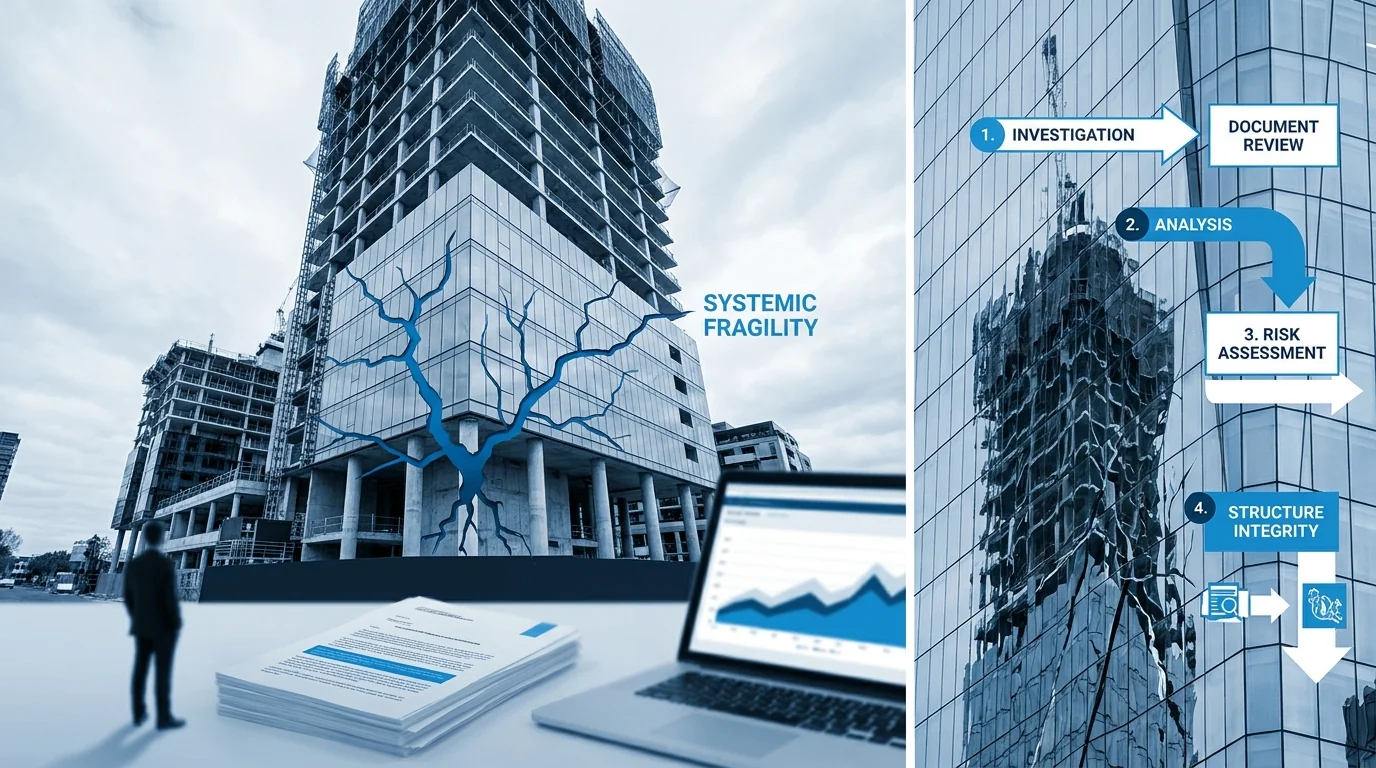
Australia is preparing for a major shift in the regulatory oversight of its property market. From July 1, the federal government will implement the Tranche 2 reforms to the Anti-Money Laundering and Counter-Terrorism Financing (AML/CTF) Act. These changes bring real estate agents, conveyancers, and lawyers into the same regulatory net as banks and casinos. For anyone involved in off-the-plan conveyancing Australia, these laws represent the most significant change to transaction protocols in decades.
The primary objective of these reforms is to stop the flow of illicit funds into Australian real estate. AUSTRAC, the national financial intelligence agency, has identified that billions of dollars have likely moved through the property sector via various international channels over recent years. In one 2023 Sydney matter, a $2.1 million purchase was halted when the buyer could not adequately explain the source of a $210,000 deposit transmitted from a high-risk jurisdiction, resulting in a Suspicious Matter Report. By expanding the reporting requirements to "gatekeeper" professions, the government intends to close loopholes that have allowed criminal organisations to store wealth in residential and commercial assets.
New AML Laws and Off-The-Plan Conveyancing Australia
Off-the-plan transactions are unique because of the long lead times between the initial contract signing and the final settlement. Under the new regime, the verification process must begin as soon as a buyer expresses interest or signs a contract. Lawyers and conveyancers are now required to conduct "Know Your Customer" (KYC) checks on every client. This is not just a simple ID check. It involves verifying the identity of the beneficial owners of any companies or trusts used to purchase the property.
If you are buying an apartment in Melbourne or a townhouse on the Gold Coast, your legal representative will ask for detailed documentation. This often includes a combination of passports, driver licences, and Medicare cards. For foreign investors or those using complex corporate structures, the requirements are even more stringent. You may need to provide proof of the source of your wealth and the source of the specific funds being used for the deposit and settlement.
Why are these new AML regulations being introduced now?
For years, Australia has been an outlier in the global fight against money laundering. While most developed nations implemented these "Tranche 2" rules years ago, Australia delayed them. This made our property market an attractive destination for "washing" dirty money. Criminal gangs often use real estate because it allows them to move large sums in a single transaction with relatively little scrutiny compared to the banking sector.
The 2015 AUSTRAC brief highlighted that laundering money through real estate is uncomplicated and requires little planning. A buyer could walk into an auction in Sydney or Brisbane with a bank cheque funded by illicit activity and buy a home with few questions asked. The new laws change this. Real estate professionals must now report any transaction they deem suspicious to AUSTRAC. This includes buyers who are unusually secretive about their identity or those who attempt to pay large sums in cash or through third-party transfers that do not align with their known financial profile.
While these laws are not expected to cause a massive drop in property prices, they will likely remove some of the artificial pressure caused by criminal buyers. When illicit funds are used to outbid legitimate families at auctions, it inflates the market. Removing this element helps maintain a fairer environment for genuine buyers and investors.
The KYC Process During Off-Plan Property Settlement
The off-plan property settlement process often takes two to four years from the date the contract is signed. This time gap creates a specific challenge for AML compliance. A buyer’s financial situation or identity structure might change during the construction phase. Consequently, lawyers may need to refresh their KYC checks closer to the settlement date to ensure the funds being used for the final payment are legitimate.
Buyers should be prepared for their legal team to ask questions about how they secured their finance. If you are using a mortgage, the bank will perform its own checks, which you can read about in our guide on bank loans for off-the-plan properties. However, for the portion of the purchase covered by cash or equity, the conveyancer must satisfy themselves that the money is not the proceeds of crime. This is particularly relevant for high-value transactions in markets like Perth or Adelaide where cash purchases are becoming more common among downsizers and international buyers.
If a lawyer cannot verify a client's identity or the source of their funds, they may be legally prohibited from acting for that client. In some cases, they may even be required to file a Suspicious Matter Report (SMR) without informing the client. This "tipping off" prohibition is a major part of the legislation, designed to prevent criminals from being alerted to investigations.
Reporting Suspicious Transactions in Sydney and Melbourne
Lawyers must look for "red flags" such as:
- Transactions involving jurisdictions known for high levels of corruption or money laundering.
- Buyers who use shell companies or complex layers of trusts without a clear commercial purpose.
- Purchases where the price is significantly higher or lower than the market value.
- Frequent changes to the name of the purchaser on an off-the-plan contract (nominations).
Nominations are a common feature in off-the-plan contracts, allowing the original buyer to "nominate" another person or entity to take over the contract before settlement. Under the new AML rules, the nomination process will face much higher scrutiny. Both the original purchaser and the nominee will need to be fully verified. This adds a layer of complexity to the off-plan property settlement process that investors must account for in their timelines.
How These Laws Affect Developers and Builders
Developers and builders are also impacted by these reforms. When selling a large project, developers often deal with hundreds of buyers simultaneously. They must ensure their sales teams and external agents are compliant with the new laws. Failure to do so could lead to significant legal delays or the cancellation of contracts if a buyer is found to be non-compliant with AML checks.
For developers, the risk is not just about the buyer's money. It is also about their own reputation and the stability of their project funding. Lenders are increasingly requiring developers to prove that their presales are "clean" and free from AML risks. This is part of the broader trend of managing legal risks in large-scale property investments. A developer who ignores these requirements may find themselves unable to draw down on their construction loan if the bank discovers that several buyers are under investigation for financial crimes.
The NSW Government has previously discussed the need for better transparency in property contracts to protect the integrity of the market. Documents such as the NSW off-the-plan contracts discussion paper have highlighted how these transactions can be used for various purposes, making the new AML laws a logical step in providing better oversight.
Practical Steps for Buyers Before July 1
If you are currently looking at off-the-plan properties or have a contract waiting for settlement, there are steps you should take to ensure a smooth transition under the new laws. First, ensure all your identification documents are current. If you are using a trust or a company to purchase, have the full suite of formation documents, including the trust deed and the register of directors, ready for review.
Second, be transparent with your lawyer about where your deposit came from. If it was a gift from family members overseas, you will need to provide a gift letter and potentially bank statements from the donor to prove the money was legally obtained. This is becoming standard practice in the Australian property market. The government’s focus on housing system data shows a growing need for clear records of who owns what and how it was paid for.
Third, understand that these checks are mandatory. Your lawyer or agent is not being difficult. They are complying with federal law. Refusing to provide information will only lead to delays and could potentially trigger a report to AUSTRAC. The process is designed to be straightforward for legitimate buyers, similar to the 100-point ID checks used when opening a bank account.
International Comparisons and Local Enforcement
Australia’s move brings it into alignment with the Financial Action Task Force (FATF) standards. Countries like the United Kingdom, New Zealand, and Canada have had similar laws for years. In those jurisdictions, the real estate industry has adapted well, and the "shock" of the new regulations eventually gave way to a standard operating procedure. Australian firms are expected to follow the same path.
Enforcement will be handled by AUSTRAC, which has been given additional funding to monitor compliance in the real estate sector. They have the power to conduct audits on law firms and real estate agencies to ensure they are keeping proper records and performing due diligence. For the property industry in Newcastle, Geelong, and Canberra, this means a shift away from "handshake" deals toward a more formalised, documented approach to client relationships.
The implementation of Tranche 2 is a necessary evolution for the Australian property market. While it adds some administrative burden to the purchase process, the long-term benefit is a more transparent and secure market. For buyers of off-the-plan apartments and homes, it provides peace of mind that the person living in the unit next door has been as thoroughly vetted as they have. By removing criminal elements, the market becomes more stable for the families and investors who are the backbone of the Australian housing system.