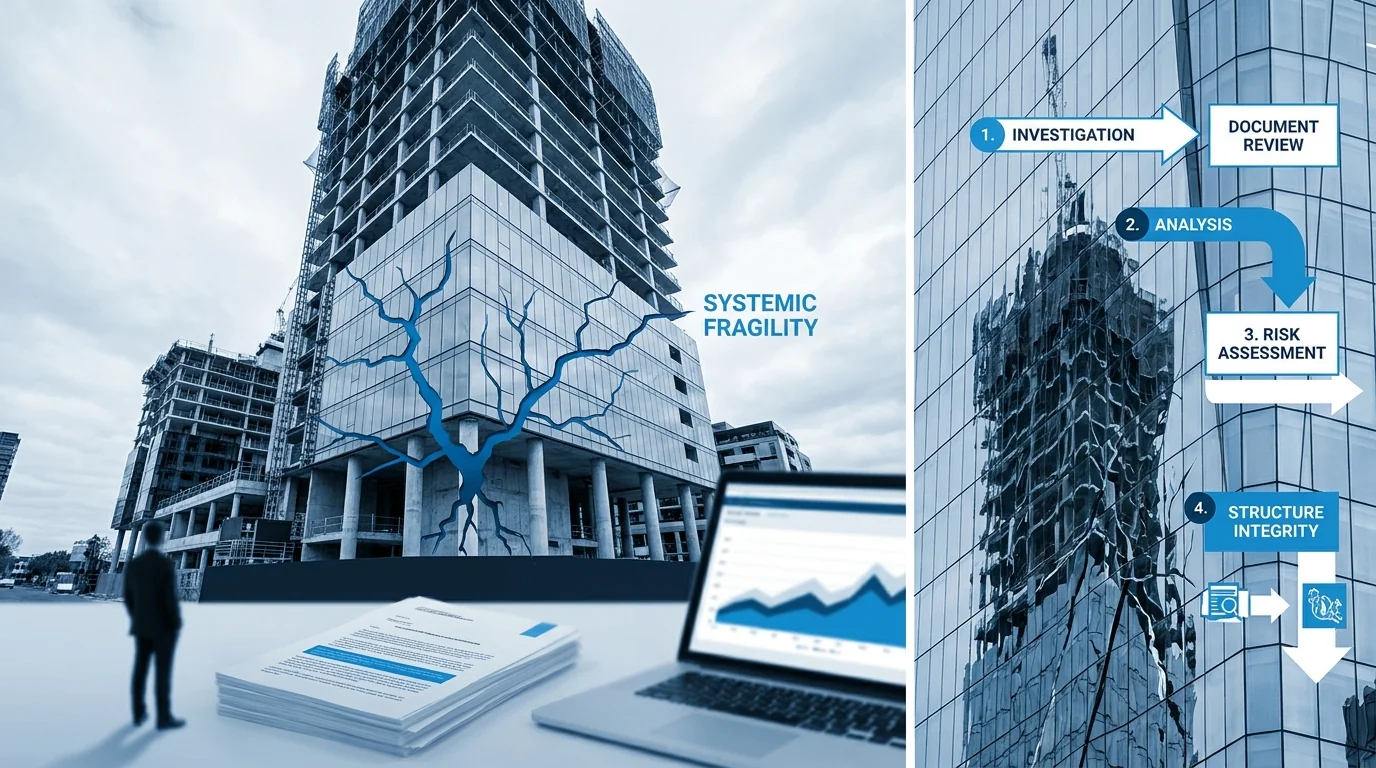
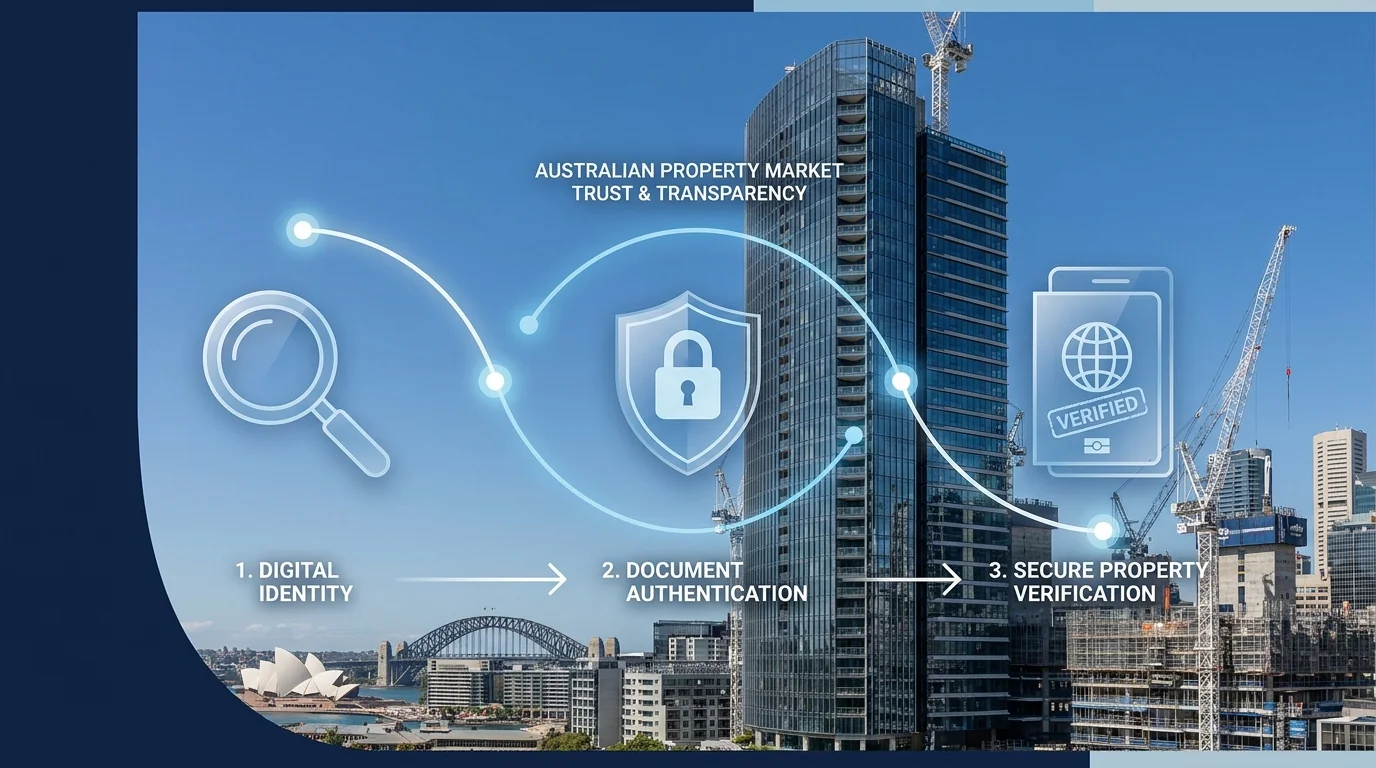
The Two-Contract Problem Most Buyers Don't See Coming
A house and land package contract review should be the first thing on your list when a sales consultant slides a glossy brochure across the table at a display village in Craigieburn, Ormeau Hills, or Baldivis. The pitch is always clean: one price, one process, one new home. The legal reality is messier.
You're actually signing two separate contracts. One is a contract of sale for the land (with a developer). The other is a building contract for the construction (with a builder). These are distinct legal agreements, often with different entities, different timeframes, and different remedies if things go wrong. The sales consultant who walked you through the package? They typically represent one party. Sometimes both. Sometimes neither, in any binding legal sense.
This two-contract structure creates a timing gap that generates most of the problems we deal with in off-the-plan conveyancing across Australia. The land contract is usually conditional on the registration of a plan of subdivision. Until that plan registers with the relevant titles office, there is no title to transfer. And until you hold title, you cannot lawfully authorise construction on that land.
That timing gap can stretch from three months to well over eighteen months, depending on the development. During that period, your building contract is sitting there, ticking away, and the clauses inside it are doing things you probably didn't anticipate when you signed.
Warranty Traps in Standard Building Contracts
Under the standard domestic building contract used in Victoria (the HIA or Master Builders contracts for works between $7,500 and $500,000), the homeowner provides a warranty that they are entitled to build on the land at the time of entering into the contract. Similar provisions exist in NSW under the Home Building Act 1989 and in Queensland under the Queensland Building and Construction Commission Act 1991.
If you sign a building contract before you have title to the land, you are technically in breach of that warranty from day one. Most buyers don't realise this because they've been dealing with one salesperson throughout the process and assume the builder and developer are the same outfit. Often they are related companies, but legally they are separate entities with separate interests.
Why does this matter? Because a breached warranty gives the builder contractual ammunition. If construction costs rise (as they did by 30% or more during the 2021-2023 period), the builder can point to your warranty breach as grounds to renegotiate or, in some cases, terminate.
Cost Escalation Clauses: Where the Real Money Disappears
The glossy price on the brochure is a starting point, not a ceiling. Most building contracts in house and land packages contain cost escalation clauses, sometimes called rise-and-fall clauses, that allow the builder to pass on increased material and labour costs.
Under the Domestic Building Contracts Act 1995 (Vic), a builder can include a prime cost (PC) item or provisional sum (PS) item in the contract for work or materials that cannot be precisely costed at signing. The NSW Planning Portal notes that buyers should expect two separate contracts, but the guidance on cost escalation protections remains thin.
Here is what we routinely see in contract reviews:
- Provisional sums set artificially low. A builder might allocate $8,000 for site costs (cut and fill, rock removal, soil treatment) when the actual cost for the specific lot is $25,000 or more. The buyer sees a lower headline price. The real cost arrives later as a variation.
- PC items for fixtures and fittings priced at base-grade levels. The display home has stone benchtops and premium tapware. The contract has PC allowances that cover laminate and builder-grade fittings.
- Rise-and-fall clauses triggered by the gap between contract signing and construction start. If title registration takes 12 months, the builder can claim material costs have risen and adjust the contract price accordingly. Some contracts cap this adjustment. Many do not.
The Sunset Clause Double-Bind
The land contract in a house and land package will almost always contain a sunset clause. This gives either party (or in some jurisdictions, only the vendor) the right to rescind if settlement hasn't occurred by a specified date.
In Victoria, the Sale of Land Amendment Act 2014 restricts a vendor's ability to activate a sunset clause without either the buyer's consent or a Supreme Court order. NSW introduced similar protections under the Conveyancing Amendment (Sunset Clauses) Act 2015. Queensland buyers have fewer statutory protections, though the REIQ standard contracts provide some contractual safeguards.
The double-bind works like this: if the developer's subdivision takes longer than expected and the sunset date passes, the developer may seek to rescind. If property values have risen during that period (which they often have in growth corridors around Brisbane, Melbourne, and Perth), the developer has a financial incentive to rescind and resell at a higher price. Your building contract, meanwhile, may also lapse or become unenforceable because the underlying land purchase has fallen through.
We have successfully challenged unfair sunset clause activations, but prevention is cheaper than litigation. A proper contract review should assess whether the sunset date is realistic given the stage of the subdivision, the developer's track record, and current processing times at the relevant titles office.
Stamp Duty Savings Are Real, But Conditional
One genuine advantage of house and land packages is the stamp duty treatment. The land contract and building contract are separate, so you pay stamp duty only on the land component (assuming the contracts are genuinely independent and not linked in a way that the revenue office can characterise as a single transaction).
In Victoria, the State Revenue Office applies the "linked transaction" provisions under the Duties Act 2000 (Vic). If the SRO determines that the land purchase and building contract are part of a single arrangement, they can assess duty on the combined value. The difference is real money. On a $650,000 package with $280,000 in land value, the stamp duty difference between being assessed on $280,000 versus $650,000 is roughly $18,000 in Victoria.
The SRO looks at factors including:
- Whether the buyer was required to use a specific builder as a condition of the land sale
- Whether the contracts were presented as a single package
- Whether the buyer had genuine freedom to choose their own builder
- The timing and circumstances of entering into both contracts
Getting this wrong is expensive. And it's entirely avoidable with proper structuring and legal advice at the contract stage.
First Home Owner Grant Eligibility and Timing
House and land packages in new estates are often marketed to first home buyers, and for good reason. The First Home Owner Grant (FHOG) applies to new builds in every state. In Victoria, the grant is $10,000 (or $20,000 in regional areas). In NSW, it's $10,000 for new homes up to $600,000. Queensland offers $30,000 for new homes valued under $750,000 (as of the 2024-25 budget).
The timing trap here relates to the construction commencement date. Most FHOG schemes require that construction begins within a specified period after the land purchase settles. If title registration is delayed and settlement is pushed back, the gap between signing the building contract and actually starting construction can create headaches. Some buyers have had grant applications rejected because the building contract was signed too far in advance of the land settlement, raising questions about whether the contracts were genuinely separate.
What a Proper House and Land Package Contract Review Covers
A thorough review of both the land contract and the building contract should address these specific items:
- Sunset clause analysis. Is the date realistic? What are your rights if the developer seeks to rescind? Does your state's legislation give you protection?
- Cost escalation exposure. Are rise-and-fall clauses capped? What are the provisional sums and PC items, and are they realistic for your specific lot?
- Site cost allowances. Has the builder conducted a soil test and contour survey for your lot, or are they using generic estimates?
- Warranty provisions. Are you being asked to warrant something you cannot truthfully warrant at the time of signing?
- Linked transaction risk. Is the contract structure set up in a way that protects your stamp duty position, or could the revenue office characterise it as a single dutiable transaction?
- Builder's termination rights. Under what circumstances can the builder walk away, and what happens to your deposit if they do?
- Defects liability period. What are your rights post-completion, and how do they interact with the statutory warranties under your state's building legislation?
The AHURI research on residential development financing confirms that the structure of these transactions creates information asymmetry between developers and buyers. The developer and builder understand the contractual mechanics intimately. Most buyers do not.
Practical Steps Before You Sign
Get a soil test and contour survey for your specific lot before signing the building contract. This costs between $500 and $1,500 and removes a major source of unexpected variations.
Ask the developer for a realistic title registration timeline, in writing. Compare this against the sunset date in the land contract and any time-dependent clauses in the building contract.
Have both contracts reviewed by a conveyancer or lawyer who understands off-the-plan transactions. The two contracts interact with each other in ways that a general practitioner may not pick up. A clause that looks harmless in the building contract might create serious exposure when read alongside the land contract's settlement conditions.
House and land packages can deliver good value. The stamp duty savings alone can run into tens of thousands of dollars, and a brand-new home with current building standards and full statutory warranties is a genuine benefit. But the contract structure demands attention. The problems we see don't come from the concept itself. They come from buyers signing documents they haven't had properly reviewed, on timelines set by salespeople whose interests don't align with theirs.