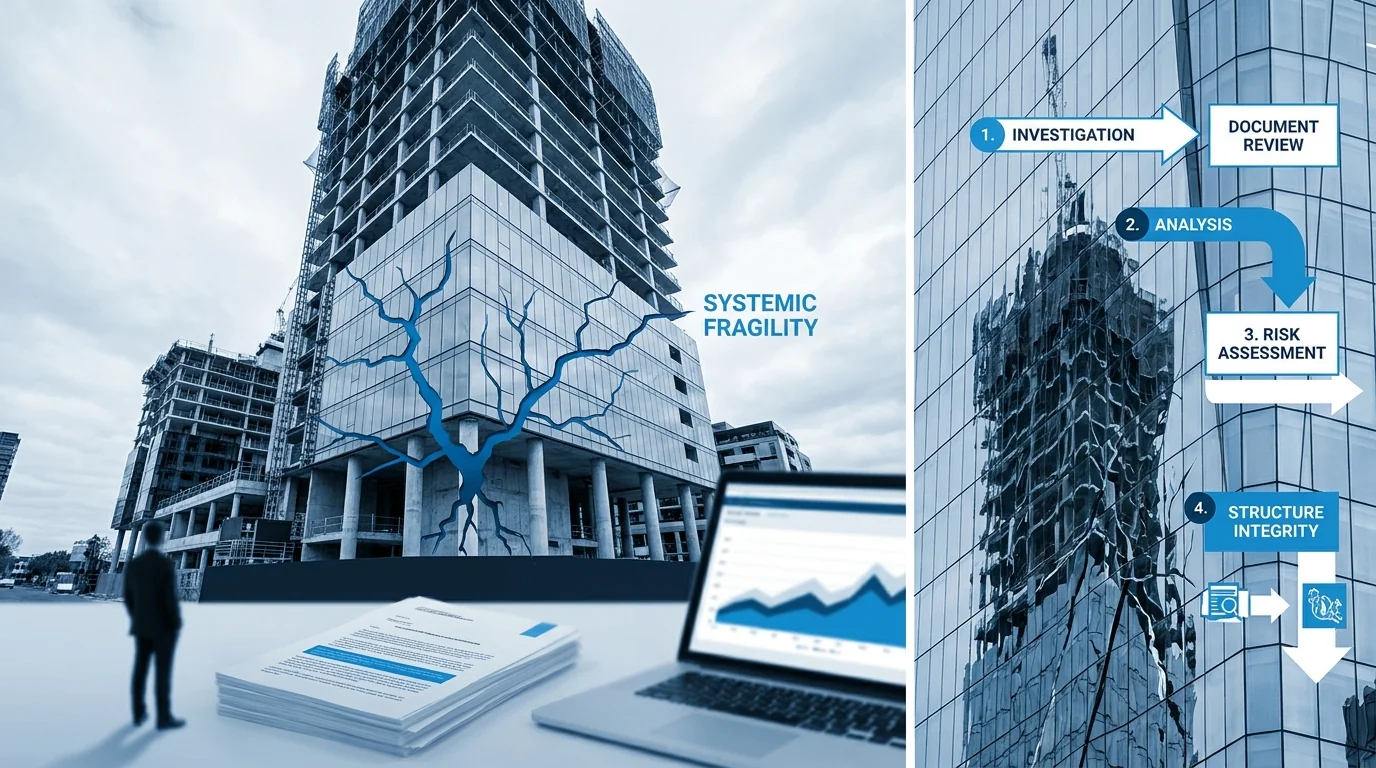
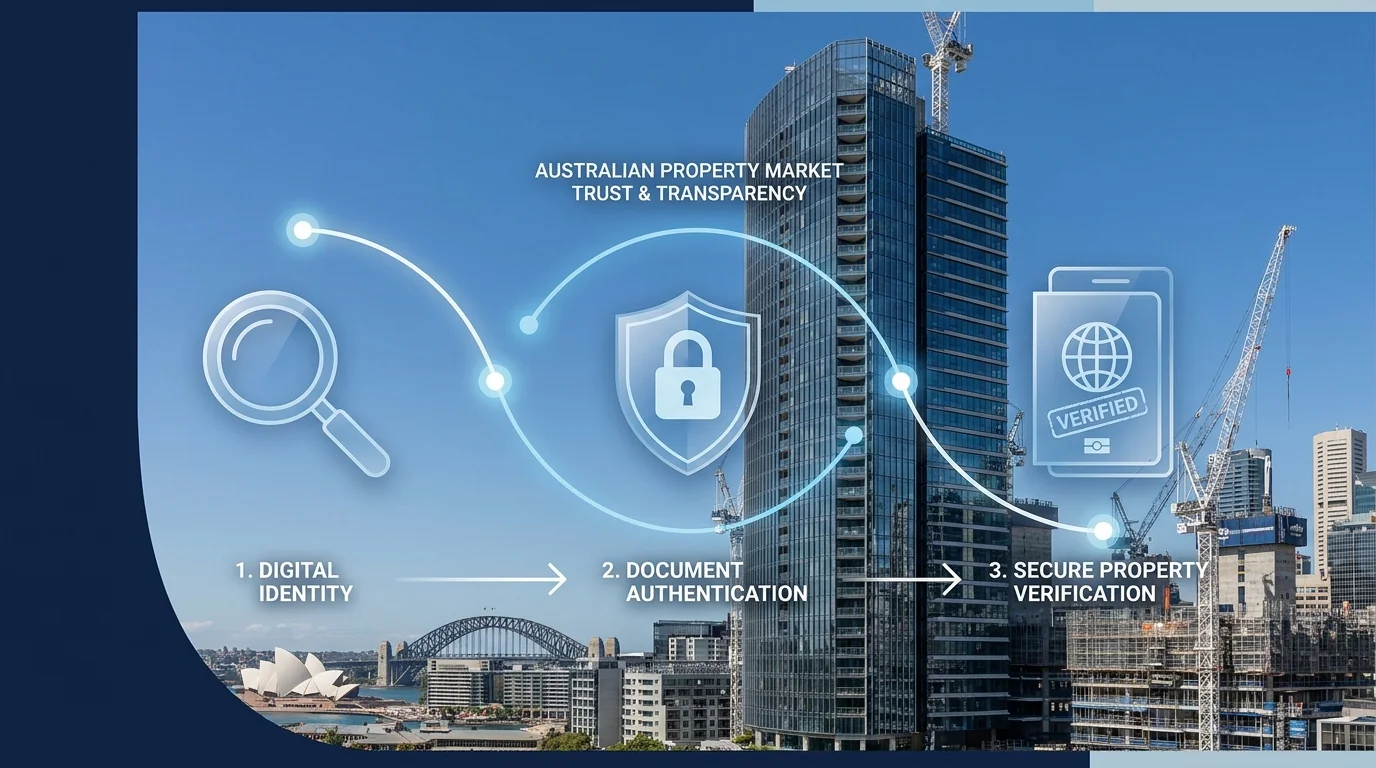
The collapse of the ISG Group in Brisbane serves as a harsh lesson for property investors across Australia. With $145 million in investor funds at stake and 1,600 creditors left in the dark, the failure of this large-scale operation highlights the dangers inherent in off-the-plan transactions. Liquidators from Olvera Advisors recently received $600,000 from the ASIC Assetless Administration Fund to investigate allegations of falsified documents and destroyed records. For a buyer in Sydney, Melbourne, or the Gold Coast, these events are not just headlines. They represent the high-value off-plan property legal risks that can derail a financial future.
Our team has managed more than 2,500 off-the-plan transactions. We have seen how quickly a project can move from a promising render to a legal battleground. Managing these risks requires more than a standard contract review. It requires a deep understanding of state-specific legislation and the financial health of the entities behind the build. Whether you are looking at a high-rise in Parramatta or a townhouse project in Geelong, the legal protections you secure today determine your recovery options if the project fails tomorrow.
The Reality of Developer Insolvency
When a developer enters receivership or liquidation, buyers often find themselves at the back of the queue. In the ISG Group case, the liquidator Tony Wright is currently tracing assets to recover funds paid to related parties. This process is slow and expensive. For a typical buyer, the main concern is the deposit. If your contract allows the developer to use the deposit for construction costs, you are an unsecured creditor. If the company fails, your money is likely gone.
To protect yourself, ensure the contract mandates that the deposit be held in a solicitor's trust account or by a licensed real estate agent. In New South Wales and Victoria, this is standard practice, but some commercial-style investment structures try to bypass these protections. You must verify that the deposit is not being used as working capital for the builder. If the developer asks for a bank guarantee instead of cash, ensure the guarantee is issued by an Australian ADI (Authorised Deposit-taking Institution) and has a clear expiry date that extends well beyond the sunset date.
Warning Signs of Financial Instability
Before signing, we look for specific red flags in the developer's history. Has the special purpose vehicle (SPV) created for the project been used before? Are there outstanding charges against the land? A search of the ASIC database and the PPSR (Personal Property Securities Register) can show if the developer is over-leveraged. In the ISG case, the destruction of books and records was a late-stage discovery, but early signs of project delays and frequent changes in contractors often precede a total collapse.
Managing Off-Plan Property Legal Risks with Sunset Clauses
A sunset clause allows a contract to be ended if the plan of subdivision is not registered by a specific date. In the past, developers used these clauses to cancel contracts in rising markets, only to resell the same unit for a higher price a week later. Legislation has changed to stop this practice, but the risk remains.
In New South Wales, Section 66ZS of the Conveyancing Act 1919 prevents developers from rescinding under a sunset clause without a Supreme Court order or the buyer's written consent. The developer must prove that the rescission is "just and equitable."
Victoria has similar protections under the Sale of Land Act 1962. Section 10B requires the developer to give at least 28 days' notice before a proposed rescission, detailing why the project is delayed and why the rescission is necessary. If you receive such a notice, do not sign anything without a legal review. Sometimes, these notices are sent as a bluff to force buyers into paying a "price adjustment" to keep their property.
Disclosure Requirements and Material Changes
What you see in the brochure is rarely what you get at settlement. However, the law limits how much a developer can deviate from the original plan. Under the Conveyancing Legislation Amendment Act 2018 in NSW, developers must provide a detailed disclosure statement. This includes the draft plan, proposed by-laws, and a schedule of finishes. You can find more details on these mandatory disclosure rules through official government resources.
If the developer makes a "material change" that makes the property less attractive or smaller, they must notify you at least 21 days before settlement. A material change might include:
- A reduction in the apartment area of more than 5%.
- Changes to the location of the parking space or storage cage.
- New easements that restrict the use of the land.
- Changes to the by-laws that limit short-term rentals or pet ownership.
If a material change occurs, you may have the right to rescind the contract and get your deposit back. In Victoria, Section 9AC of the Sale of Land Act 1962 gives buyers 14 days to rescind after being notified of an amendment to the plan that "adversely affects" them. The definition of "adversely affects" is a frequent point of litigation.
The Off-the-Plan Property Settlement Process
The off-the-plan property settlement process is different from a standard residential sale. There is no fixed date. Settlement is usually triggered by two events: the issuance of the Occupation Certificate and the registration of the Plan of Subdivision. Once these occur, the developer's solicitor will issue a "Notice to Settle."
In most jurisdictions, you have 14 to 21 days to settle once this notice is served. This is a high-pressure window. The most common failure point here is finance. If the bank's valuation comes in lower than the purchase price you agreed to three years ago, you must bridge the gap with cash. For example, if you bought a Sydney apartment for $900,000 with a 10% deposit, and the bank now values it at $800,000, they will only lend based on the new figure. You may need to find an extra $90,000 in a matter of days.
To manage this, we recommend maintaining a "buffer fund" and staying in constant contact with your mortgage broker. Do not wait for the notice to settle to start your final loan application. Monitor the construction progress. When the scaffolding comes down, your bank should be ready to go. Failure to settle on time can lead to penalty interest (often charged at about 12% per annum) and the eventual loss of your deposit.
Defects and Pre-Settlement Inspections
You have the right to inspect the property before you pay the final balance. Do not do this alone. Hire a professional building inspector who specialises in new builds. They will look for "patent defects" like poor tiling, leaking taps, or uneven floors. While you generally cannot refuse to settle over minor cosmetic issues, you can insist that they are added to a "rectification list." Under most standard contracts, the developer has 90 days after settlement to fix these minor items. For structural issues, you are protected by statutory warranties, such as the Home Building Act in NSW, which provides six years of coverage for major defects.
Protecting Your Deposit in Large-Scale Projects
The ISG Group failure showed that even large projects can vanish. One way to protect your interests is to look at the developer insolvency buyer protection measures in your specific state. In Queensland, the Land Sales Act 1984 is very strict about deposit handling. If a developer or their agent fails to place the deposit in a trust account, they face heavy fines and the contract becomes voidable by the buyer.
Research into information disclosure requirements shows that many buyers do not read the fine print regarding sunset dates and insolvency. If the project is being funded by a second-tier lender rather than a major bank, the risk of the project being pulled mid-construction is higher. Second-tier lenders have higher interest rates and less patience for construction delays. If the builder goes bust, a major bank might fund a replacement builder to protect their investment. A smaller lender might simply call in the receivers and sell the land, leaving buyers with nothing but a claim against an empty company.
The Role of the Sunset Date
Always negotiate the sunset date. Developers want this date to be as far in the future as possible to give them a safety net. As a buyer, you want a date that is realistic but firm. If the project is expected to take 24 months, a 36-month sunset date is reasonable. A 60-month sunset date for a small project is a red flag. It suggests the developer is not confident in their timeline or is waiting for the market to move before they start digging.
Final Steps Before You Sign
Large-scale property investments offer the chance to buy into prime locations at today's prices, but the legal structure of the deal is what protects your capital. Before signing any contract in Melbourne, Sydney, or Brisbane, ensure your lawyer performs the following checks:
- Confirm Deposit Safety: Verify the specific trust account details and avoid schemes that release funds to the vendor before settlement.
- Review the Sunset Clause: Ensure it complies with the latest state laws and does not give the developer an easy "out" to resell at a higher price.
- Check for Finance Clauses: Most off-plan contracts are not "subject to finance." If you cannot get a loan at settlement, you lose your deposit. Seek to include a clause that allows for rescission if a bank valuation falls short by more than 10%.
- Analyse the SPV: If the developer is a $2 company with no assets, your warranties are only as good as the insurance policies they hold. Check the builder's licence and insurance history.
The 1,600 investors in the ISG Group are now waiting on a liquidator and ASIC to find their money. By performing deep due diligence on the contract and the developer's financial backing, you can avoid being part of the next statistics report. Off-the-plan buying is a calculated risk. Your job is to make sure the calculation is in your favour.