
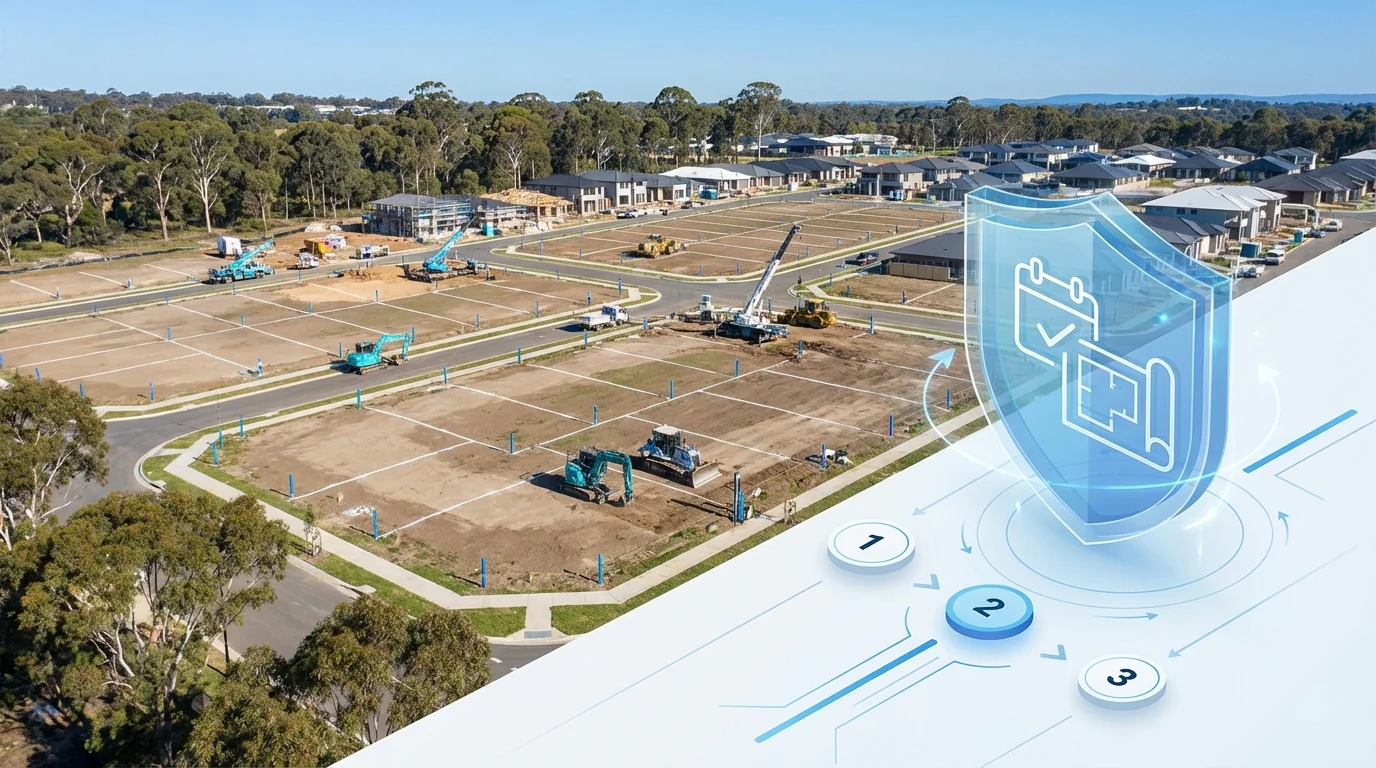
We understand the excitement of building your own home on a blank canvass.
Our team of off the plan conveyancers is here to help you navigate the purchasing and building process with ease.
What is the process for purchasing off the plan land?
Process step 1 - Land Contract
You should send us your contract of sale and building contract to check and review. Your purchase contract contains the terms on which you are buying the land and special conditions that may create hidden costs or affect how you can use the property after settlement. Our review will highlight these matters and we can help you negotiate a better outcome.Process step 2 - Building Contract
You should also request that we review your building contract, especially if it is your first time building. You need to have a solid understanding of how the process works and what to do if something goes wrong. Unfortunately building disputes are a common cause of problems for purchasers of vacant land. An experienced off the plan conveyancer can help you work through the contract and deal with any issues that arise.Process step 3 - Finance
Once you have chosen a property, and before you sign your contracts, you should obtain an indicative approval from a bank. This is not binding on the bank and can be subject to change, but it is still good to have some idea of your borrowing power.Be careful though, off the plan conveyances are not subject to finance and if you cannot settle at the end of the transaction you can face serious consequences.
Process step 4 - Conveyancing
Once settlement is approaching, we will send you the documents that we need to complete the conveyance on your behalf. We will communicate with your bank or broker and provide them with the property information they need to arrange and finalise your finance.Process step 5 - Settlement
We will stay in touch with the Vendor and keep you updated on the expected settlement date. The settlement date is the day that you will pay the developer and take ownership of the land. Settlement generally occurs 10 to 21 days after the developer registers the title for your land – this can be a tight deadline in which to finalise your finance, so be prepared.Process step 6 - Construction
Building can usually begin almost immediately after settlement. The building process is usually managed quite closely by your bank and we do not need to be involved if everything runs smoothly. You should make sure you are aware of your rights and responsibilities under the building contract. Once the project reaches practical completion, you will conduct your final inspection and give a list of defects for the builder to rectify. If you have any problems with defects, let us know and we can assist.What are the risks associated with buying land off the plan?
- hidden site or construction costs like utility connections, driveway cross-over costs, and landscaping requirements/bonds;
- building issues, like defects, variations to the works, and disputes with the builder;
- building obligations in the land contract that may require you to start and finish construction within a certain period after settlement (whether you are ready or not);
- sunset clauses and other contract special conditions that can reduce your rights under the contract;
- hidden or undisclosed easements (drains, electrical cables, sewerage pipes, substations) that can affect where you can build on the site you chose;
- design approval and guideline compliance issues;
- unknown site conditions, defects, or contamination that can affect your land.