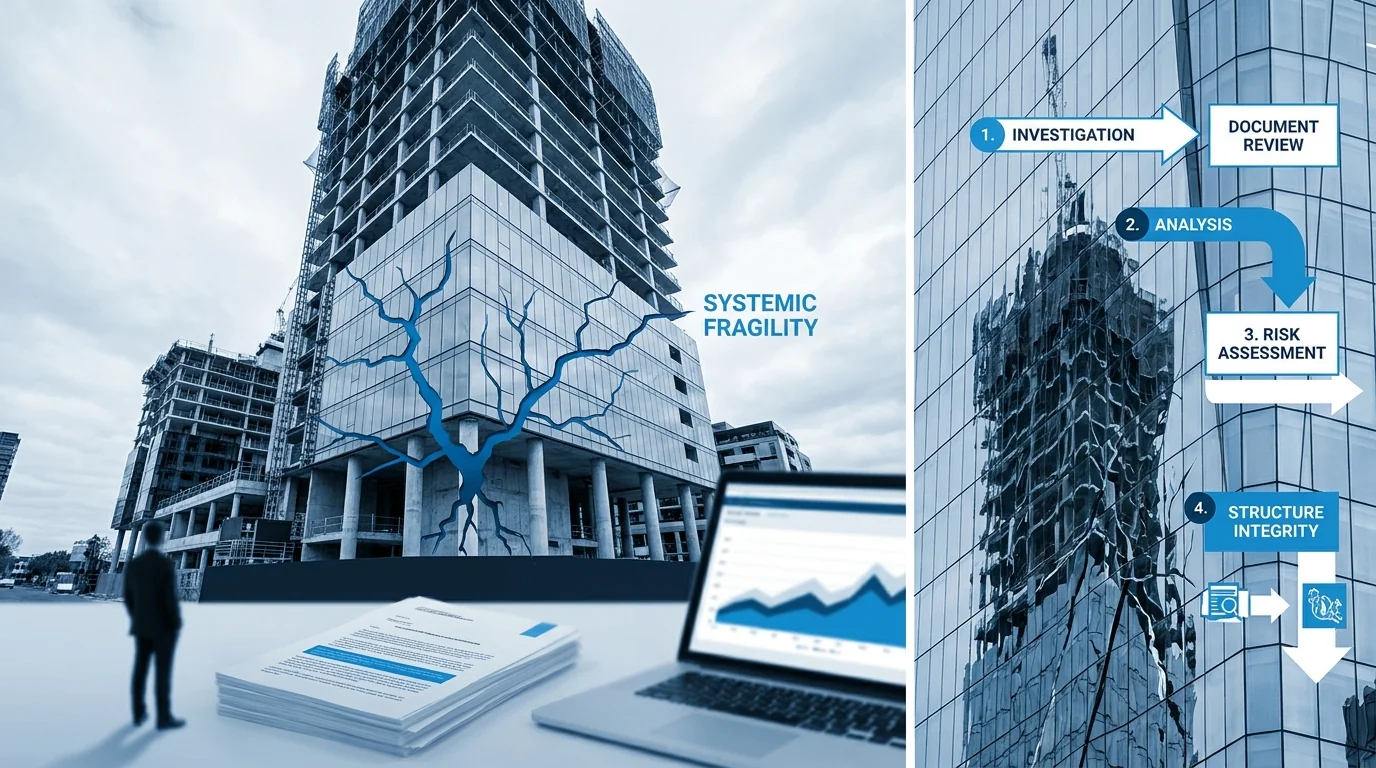
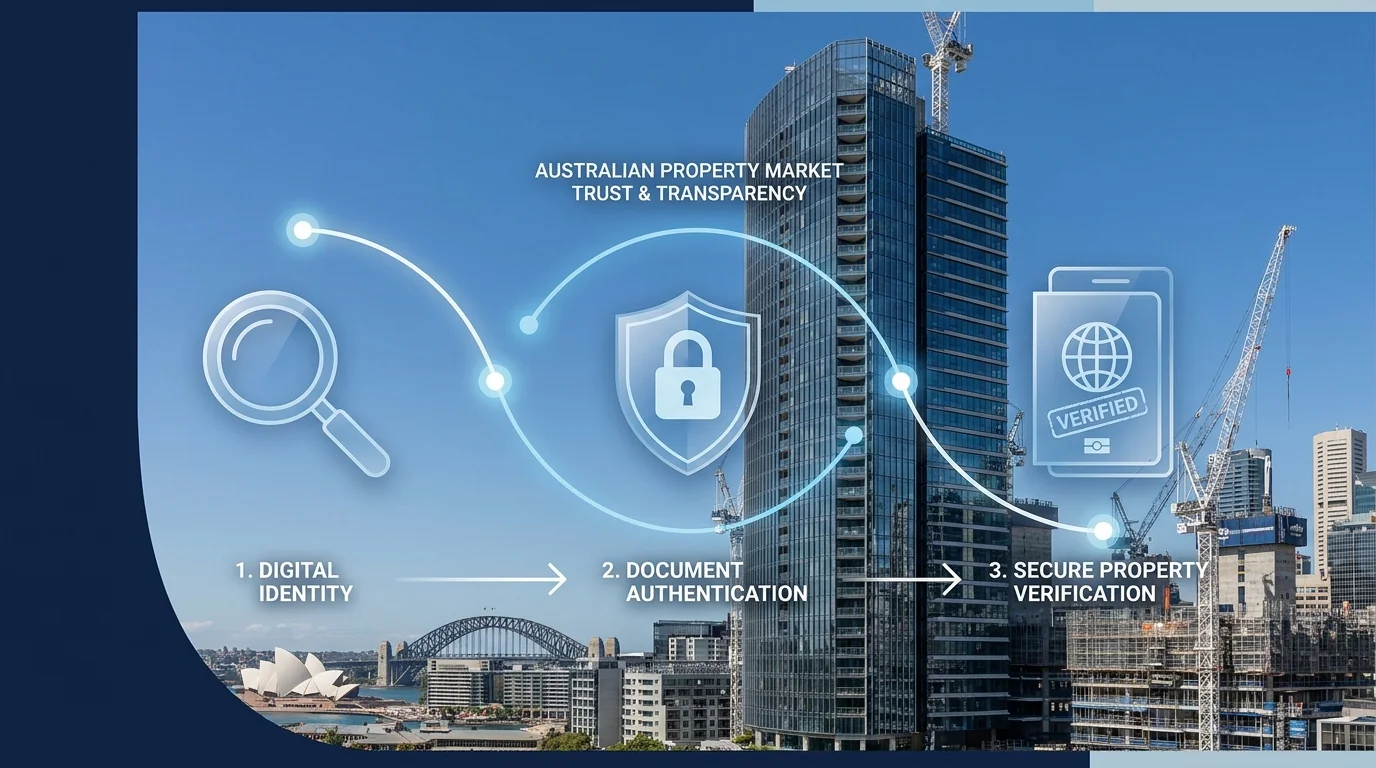
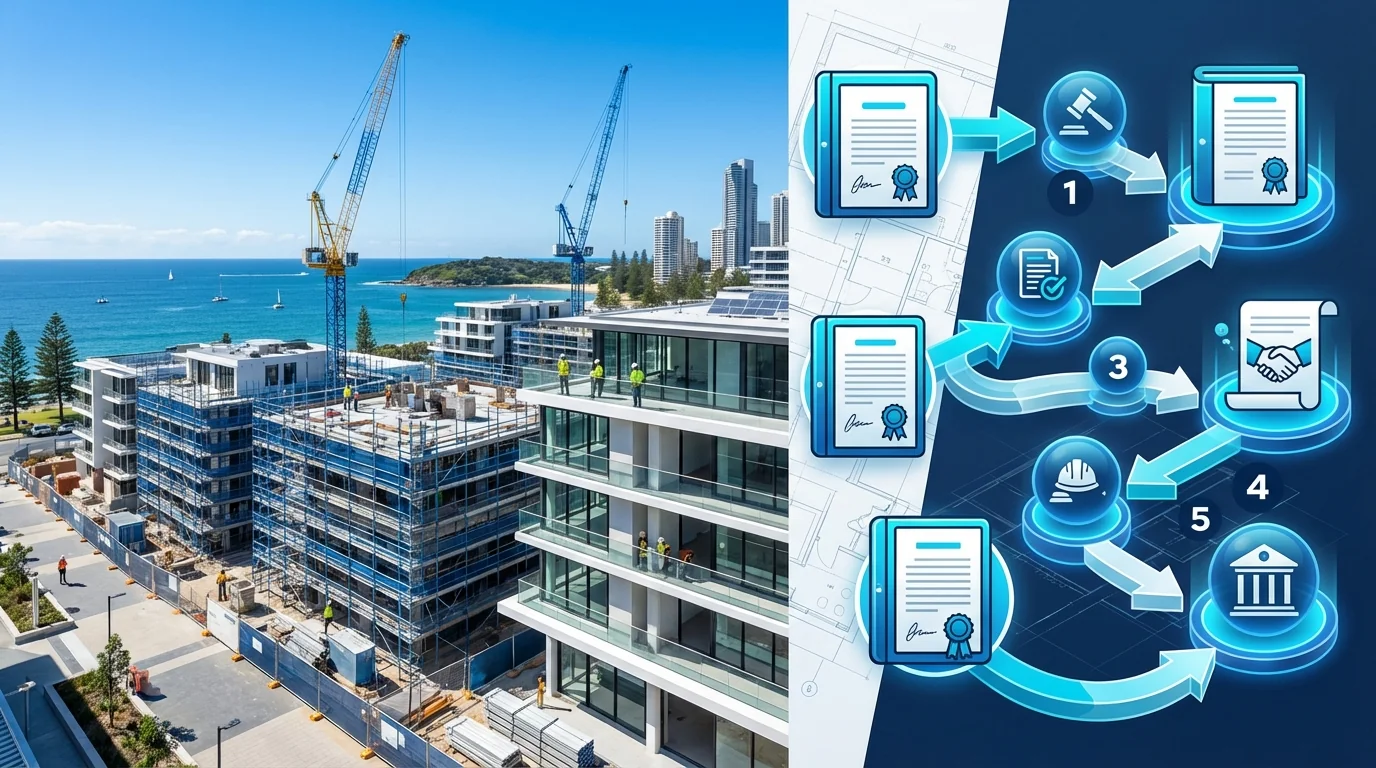
The Australian construction sector is currently facing a period of extreme volatility. With 2,832 construction insolvencies recorded in a single twelve month period, buyers are entering a market where the risk of a developer or builder failing is higher than it has been in decades. For those purchasing in major hubs like Sydney, Melbourne, or Brisbane, understanding developer insolvency buyer protection is now a requirement for any prudent property acquisition. Rising costs for materials like copper and concrete, combined with a shortage of skilled labour, have created an environment where off-the-plan projects are frequently delayed or, in some cases, abandoned entirely.
When you sign a contract for a property that has not yet been built, you are essentially buying a promise. That promise is backed by a legal document, but the strength of that document depends on the financial stability of the parties involved and the specific legislative protections in your state. Since 2018, our legal team has managed over 2,500 off-the-plan transactions, and we have seen a sharp increase in the number of buyers needing to recover deposits or challenge unfair contract terminations due to developer financial distress.
Understanding Developer Insolvency Buyer Protection and Deposit Security
The most common concern for buyers in the current market is what happens to their money if a developer goes into liquidation. In Australia, the law provides a safety net for the initial deposit, typically 10 per cent of the purchase price. Under the NSW off-the-plan regulations, deposits must be held in a trust account by a solicitor or real estate agent. This money cannot be released to the developer to fund construction costs. If the developer becomes insolvent and the project ceases, the contract usually allows for the rescission of the agreement and the return of the deposit plus any accrued interest to the buyer.
However, the return of a deposit does not always compensate for the loss of time. If you bought an apartment in Parramatta or Geelong three years ago and the project fails today, you are receiving your original money back in a market where property prices have likely increased. This "opportunity cost" is a significant risk. Buyers should also be wary of "deposit bonds" or "bank guarantees." While these can be useful, if the issuer of the bond fails or if the contract terms regarding the bond are poorly drafted, you may find yourself in a lengthy legal battle to recover your funds.
The Impact of Material Costs on Construction Timelines
The cost of building a home is no longer predictable. Copper, which is used extensively in the final stages of a build for electrical and plumbing work, has seen prices exceed US$13,000 per tonne. Unlike timber, which can sometimes be substituted, copper is a requirement for modern building standards. This leads to six-figure cost blowouts on medium to large scale projects. When a developer faces these unexpected costs, they may slow down construction to manage cash flow, leading to off-the-plan apartment settlement delays.
In Brisbane, construction costs are escalating at a rate of 7.0 to 7.5 per cent, which is higher than the rates seen in Sydney (4.6 per cent) or Melbourne (5.0 per cent). This is largely due to the massive infrastructure demand created by the upcoming Olympic Games and other major public works. When public projects compete for the same labour and materials as private residential developments, the private projects often suffer. Buyers in the Gold Coast and Brisbane markets must be particularly aware of how these local pressures can impact their settlement dates.
Managing Off-the-Plan Apartment Settlement Delays
Settlement delays are the most frequent issue we encounter in off-the-plan conveyancing. A project that was supposed to take 24 months might now take 36 or 48 months. Most contracts include a sunset date, which is the latest date by which the plan of subdivision must be registered. If the developer misses this date, the contract may be terminated. While this sounds like a protection for the buyer, it has historically been used by developers to exit contracts so they can resell the property at a higher price in a rising market.
Legislation has been introduced to prevent this practice. In Victoria, under the Sale of Land Act 1962, and in New South Wales, under the Conveyancing Act 1919, a developer must obtain buyer consent or an order from the Supreme Court to rescind a contract using a sunset clause. The court will only grant such an order if it is "just and equitable" in the circumstances. Understanding the pros and cons of off-the-plan buying is essential when evaluating these timeline risks.
The Hidden Risk of Subcontractor Failures
While the insolvency of a main developer makes the headlines, the failure of subcontractors is often more damaging to the buyer. Subcontractors provide the warranties for the specific work they perform, such as waterproofing or electrical installations. If a major plumbing firm in Newcastle or a structural steel provider in Adelaide goes bust, the developer must find a replacement, often at a much higher cost. This not only causes delays but can lead to disputes over the quality of work and future warranty claims.
When a subcontractor fails, the developer may be forced to pay twice for the same work to get a new contractor on site. This drains the project's contingency funds and increases the likelihood of the developer itself facing financial trouble. Buyers should look for developers who have long standing relationships with their build teams, as these projects are generally more resilient to the current "market bubble" conditions.
Legal Risks and Contractual Safeguards
The contract is your primary tool for managing off-the-plan property legal risks. A standard contract is usually heavily weighted in favour of the developer. It often contains clauses that allow the developer to change the finishings, slightly alter the floor plan, or extend the sunset date under certain conditions like "force majeure" or industrial disputes. In a market where material shortages are common, developers are relying on these clauses more frequently.
It is critical to have a lawyer who understands off-the-plan work review these documents. We look for specific "special conditions" that provide the buyer with more control. For example, we often negotiate for a right to terminate if the floor area of the apartment decreases by more than 5 per cent, or if the sunset date is extended beyond a reasonable period. Avoiding common off-the-plan mistakes starts with a thorough contract review before any money changes hands.
Specific State Protections and Future Regulations
Each state has its own approach to buyer protection. In Victoria, the Building Legislation Amendment (Buyer Protections) Act 2025 aims to strengthen the rights of those purchasing new builds. This legislation received Royal Assent on 3 June 2025 and commences by 1 July 2026. These regulations focus on ensuring builders have adequate insurance and that buyers have clear pathways for dispute resolution. Similarly, the ASIC insolvency reports indicate that while the sector is under pressure, the regulatory environment is tightening to protect consumers.
In New South Wales, the Building Commissioner has been active in inspecting sites and issuing various regulatory orders to prevent developers from settling on buildings with serious defects. While this can cause further delays, it protects the buyer from moving into a sub-standard building. For an investor, these delays might mean needing to sell the property before settlement, which comes with its own set of legal requirements and tax implications.
Checklist for Off-the-Plan Buyers in the Current Market
If you are considering an off-the-plan purchase in Perth, Canberra, or any major Australian city, you must conduct deeper due diligence than you would have five years ago. Financial stability is the most important factor to investigate. You should not just look at the marketing brochure, but at the track record of the developer and the builder.
- Verify the Builder's History: Research their previous projects. Did they finish on time? Are there any reported defects? Check the state building authority register for any disciplinary actions.
- Review the Sunset Clause: Ensure the sunset date is realistic but provides you with a clear exit strategy if things go wrong. Ensure the contract complies with state laws regarding sunset rescissions.
- Confirm Deposit Handling: Ensure the contract states the deposit will be held in a solicitor's trust account and that you receive the interest.
- Assess Material Risk: Ask the developer if they have locked in their material costs or if they are exposed to market fluctuations. Projects that are already "out of the ground" with materials on site are generally lower risk.
- Check for Developer Insolvency Buyer Protection: Understand exactly what happens if the developer enters administration. Does the contract allow for an assignment to a new developer, or does it give you the right to walk away?
The current market requires a shift in how buyers approach off-the-plan property. While the lure of a brand new home in a prime location like Newcastle or the Sydney CBD remains strong, the financial and regulatory framework has changed. By focusing on contract details and staying informed about construction trends, buyers can manage the risks of insolvency and delays. Legal expertise in this field is not just about the paperwork, it is about identifying the warning signs of a project in trouble before your capital is at risk. With the right protections in place, off-the-plan remains a viable path to property ownership, provided you are prepared for the realities of today's construction environment.